


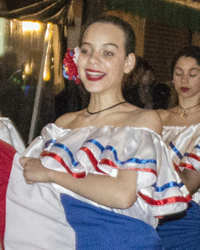

White Dominicans are Dominicans of predominantly or fully European ancestry, tracing their roots to the earliest waves of Spanish and Portuguese settlers who arrived beginning in 1492. Later arrivals included French colonists in the seventeenth and eighteenth centuries, as well as immigrants from Italy, Germany, the Netherlands, Scandinavia, and the United States during the nineteenth and twentieth centuries. These populations shaped much of the early colonial society and for a time formed the largest ethnic group during the era of the Captaincy General of Santo Domingo. Their influence is deeply embedded in the island's historical development, political formation, and cultural identity, including leadership figures connected with Dominican independence.
White Dominicans participate across all levels of Dominican society, though historically many have been associated with land ownership, commerce, education, and professional occupations. In both urban and rural settings, they engage in a variety of economic activities, including agriculture in the Cibao Valley, business and government work in Santo Domingo, and regional trade. Family life tends to emphasize strong kinship networks, shared heritage, and multigenerational bonds. Many households reflect Dominican cultural patterns such as respect for elders, close community relationships, and social gatherings built around family meals.
Food traditions mirror national dishes—rice, beans, stewed meats, plantains, and local produce—while also retaining influences from Spanish and other European cuisines. Celebrations often follow the Dominican calendar, including Christmas, Epiphany, Easter, patron saint festivals, and national independence holidays. These events commonly involve church attendance, music, dance, shared meals, and gatherings that blend European and Caribbean cultural elements.
Christianity—especially Roman Catholicism—has historically shaped the religious life of White Dominicans, reflecting the early influence of Spanish colonial rule. Many also participate in various Protestant traditions. Church involvement may vary, but Christian symbols, holidays, and moral values continue to influence the rhythms of family and community life.
White Dominicans face the same broader societal pressures affecting much of the Dominican Republic, including economic disparities between regions, access to quality education, and the challenges of urbanization. Social fragmentation can occur across class and ethnic lines, making reconciliation and understanding essential to national unity. Spiritually, deeper engagement with Scripture and renewed commitment to Christ-centered discipleship can strengthen families and communities. A greater vision for global mission can also enrich their witness beyond their immediate context.
Pray that White Dominican families will grow in their understanding of Jesus Christ's mercy and be strengthened in faith.
Pray for wisdom and compassion as they navigate social and economic pressures, seeking justice and harmony within their communities.
Pray that churches among White Dominicans will be filled with spiritual vitality and a renewed desire for Christ-centered discipleship.
Where the gospel is already known, pray that White Dominican believers will grow in spiritual depth and join the global gospel force, helping carry Christ's message of hope to less?reached peoples.
Scripture Prayers for the Dominican White in Dominican Republic.
https://en.wikipedia.org/wiki/White_Dominicans
https://everything.explained.today/White_Dominicans/
https://grokipedia.com/page/White_Dominicans
https://www.britannica.com/place/Dominican-Republic/Daily-life
| Profile Source: Joshua Project |


